INTERSTICIO
On consciousness, transformation and rebirth
Existence is a constant movement between appearance and disappearance, between what begins and what inevitably comes to an end. Yet we tend to live attached to the idea of permanence, identifying ourselves with our histories, thoughts, experiences and the forms we have constructed to define who we are.
Death, contemplated beyond its physical dimension, invites us to question that identification. What happens when what we believe ourselves to be dissolves? What remains when we stop clinging to our certainties, desires and self-images?
In the teachings of the bardos, we find a profound reflection on the transitory nature of existence and the possibility of recognizing consciousness beyond its conditioning. The experience of life and death, the intermediate states and rebirth are part of the same inquiry: the relationship between perception, attachment, transformation and liberation.
Perhaps dying is not only a matter of ceasing to exist, but also of allowing what we no longer are to stop defining us. And rebirth does not necessarily mean becoming someone different, but discovering a new way of seeing, perceiving and relating to existence.
Every moment contains a transformation. Thoughts disappear, identities change, certainties dissolve. And yet, we continue trying to preserve what, by its very nature, is destined to change.
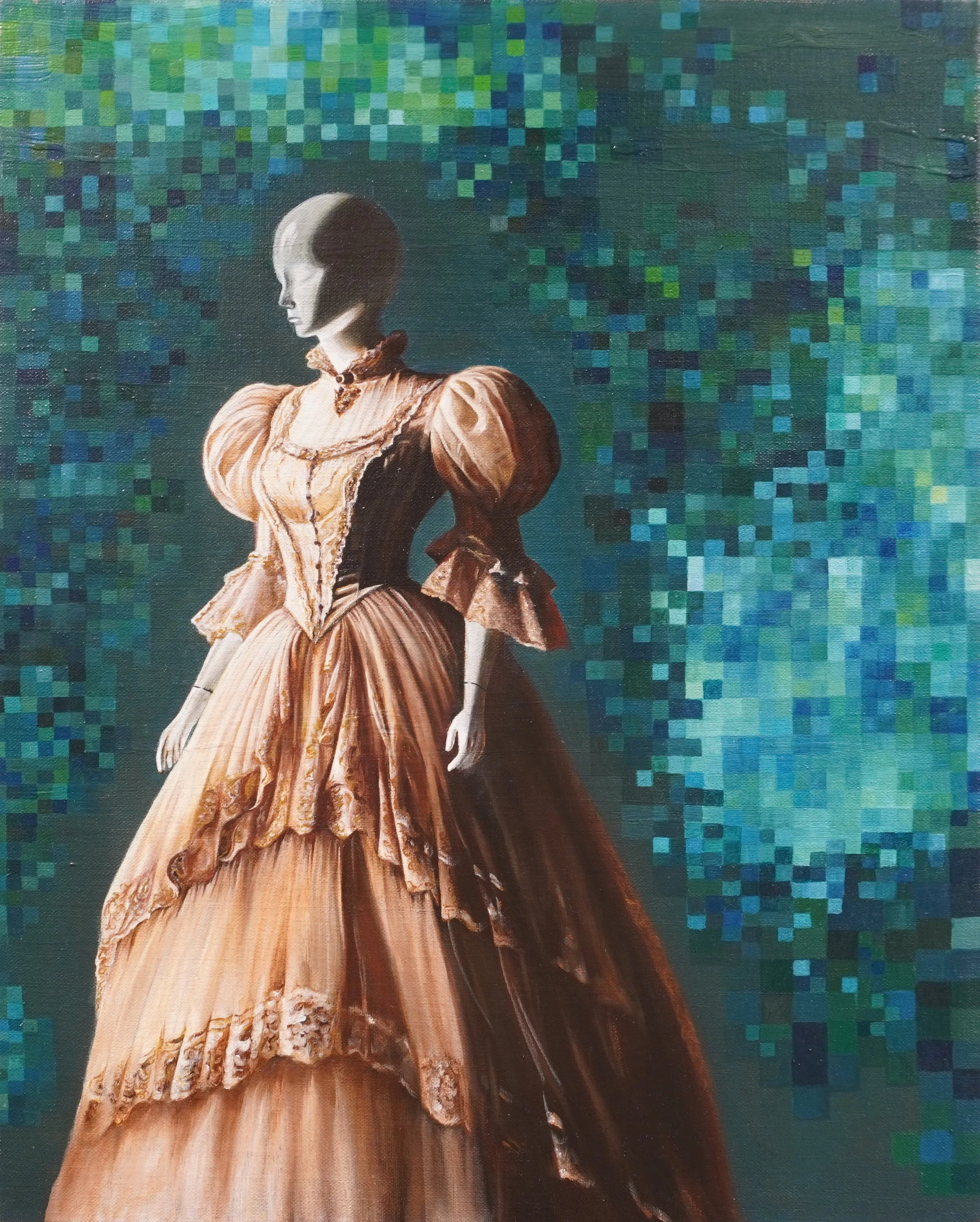
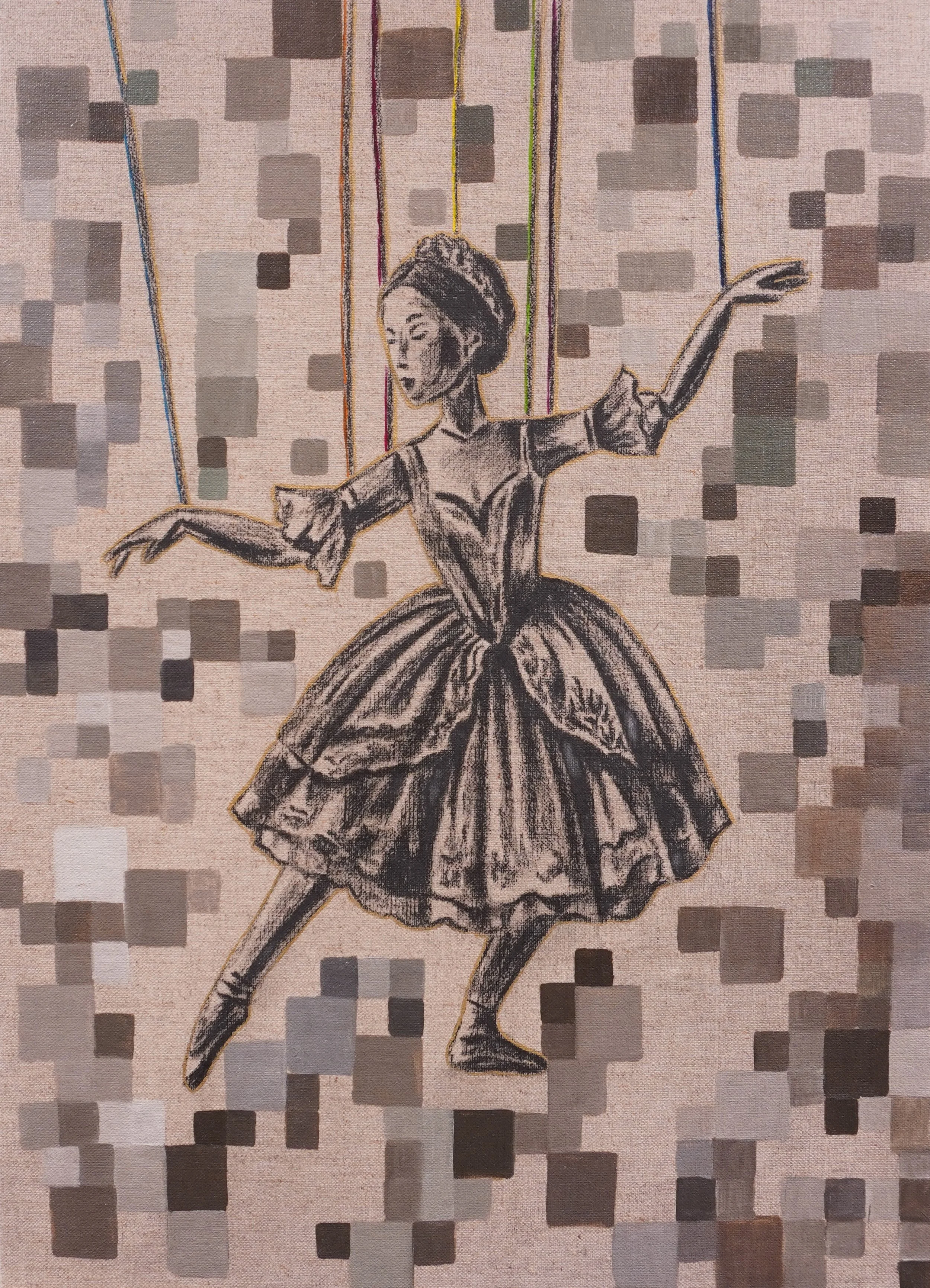
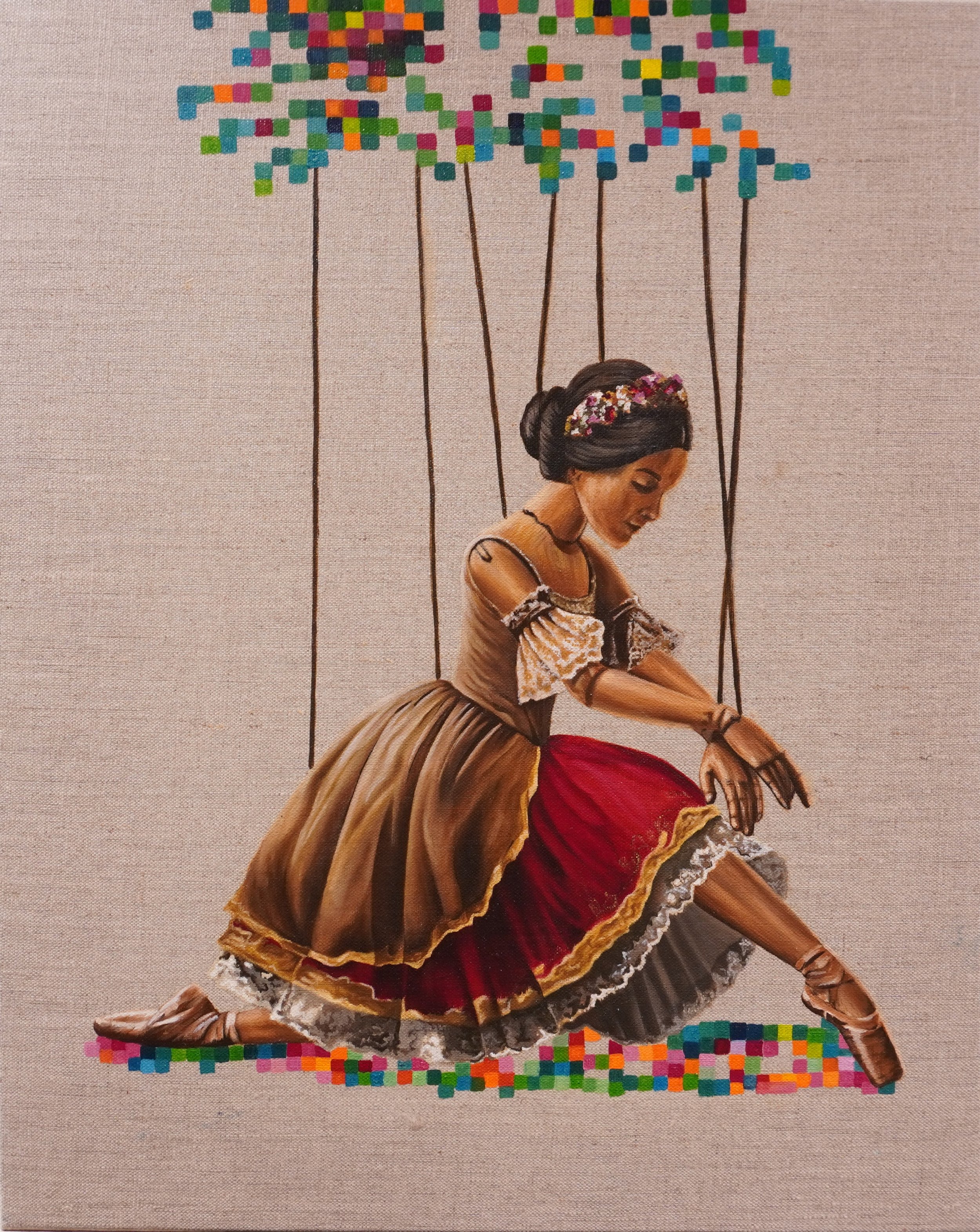
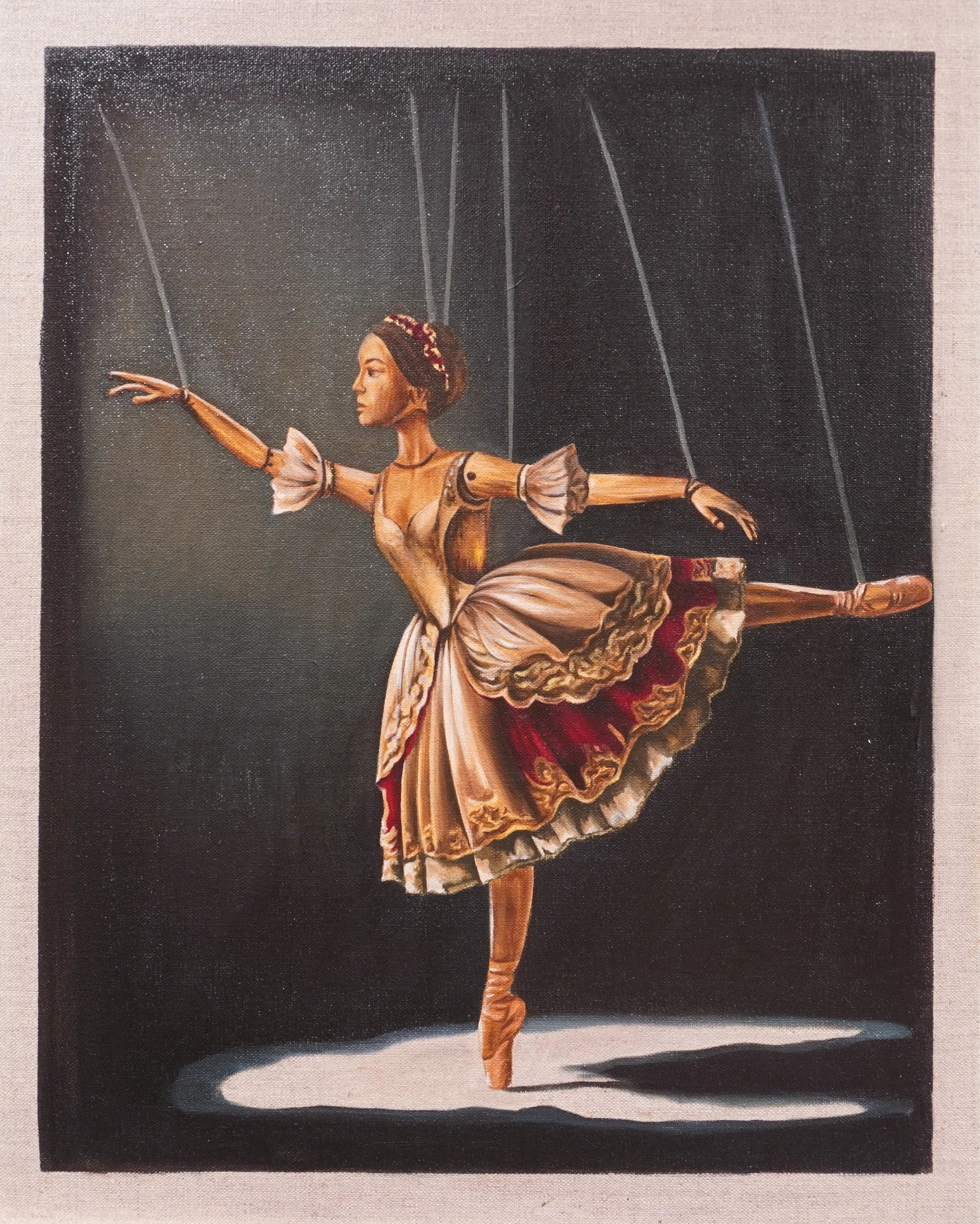
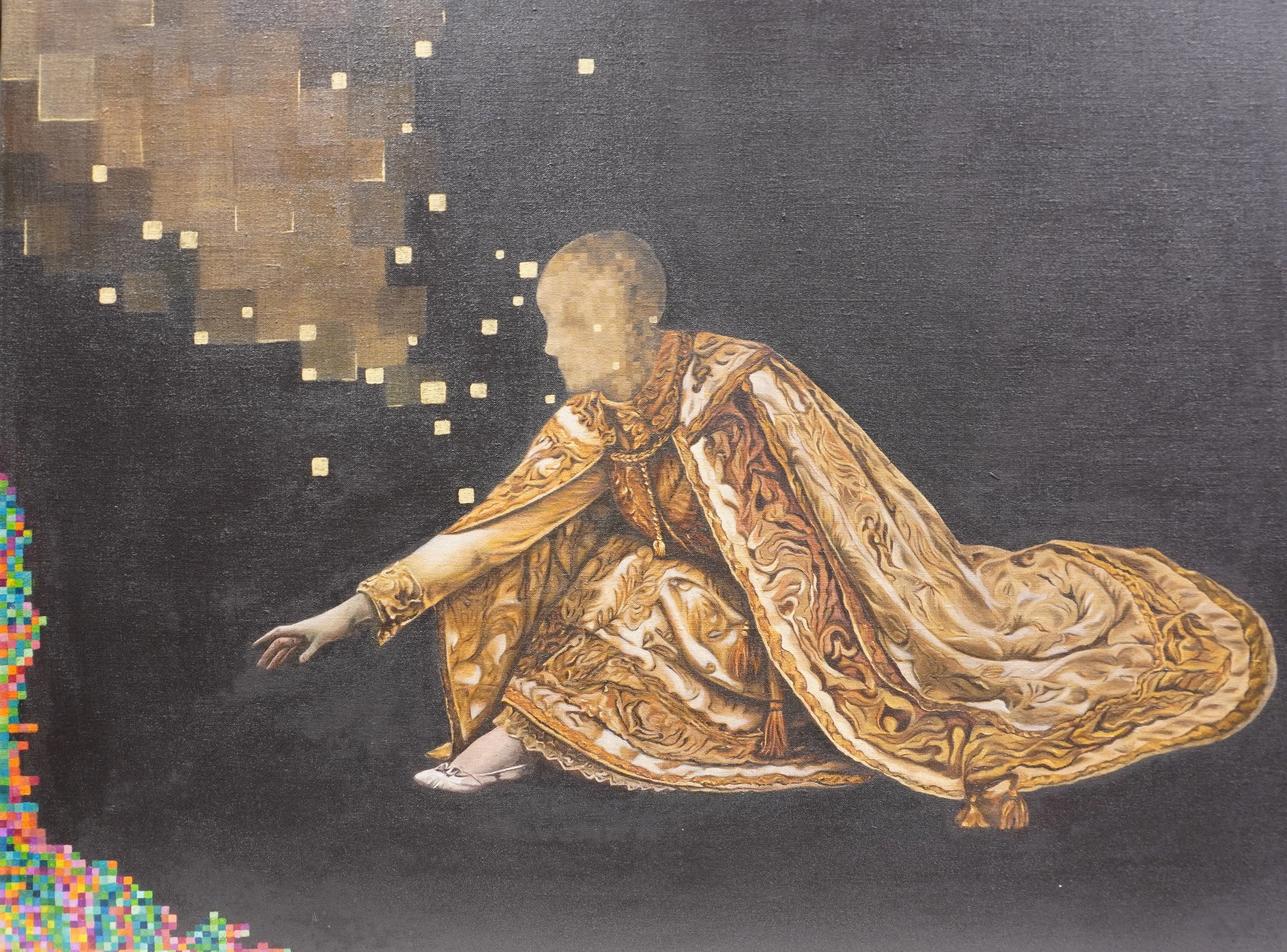
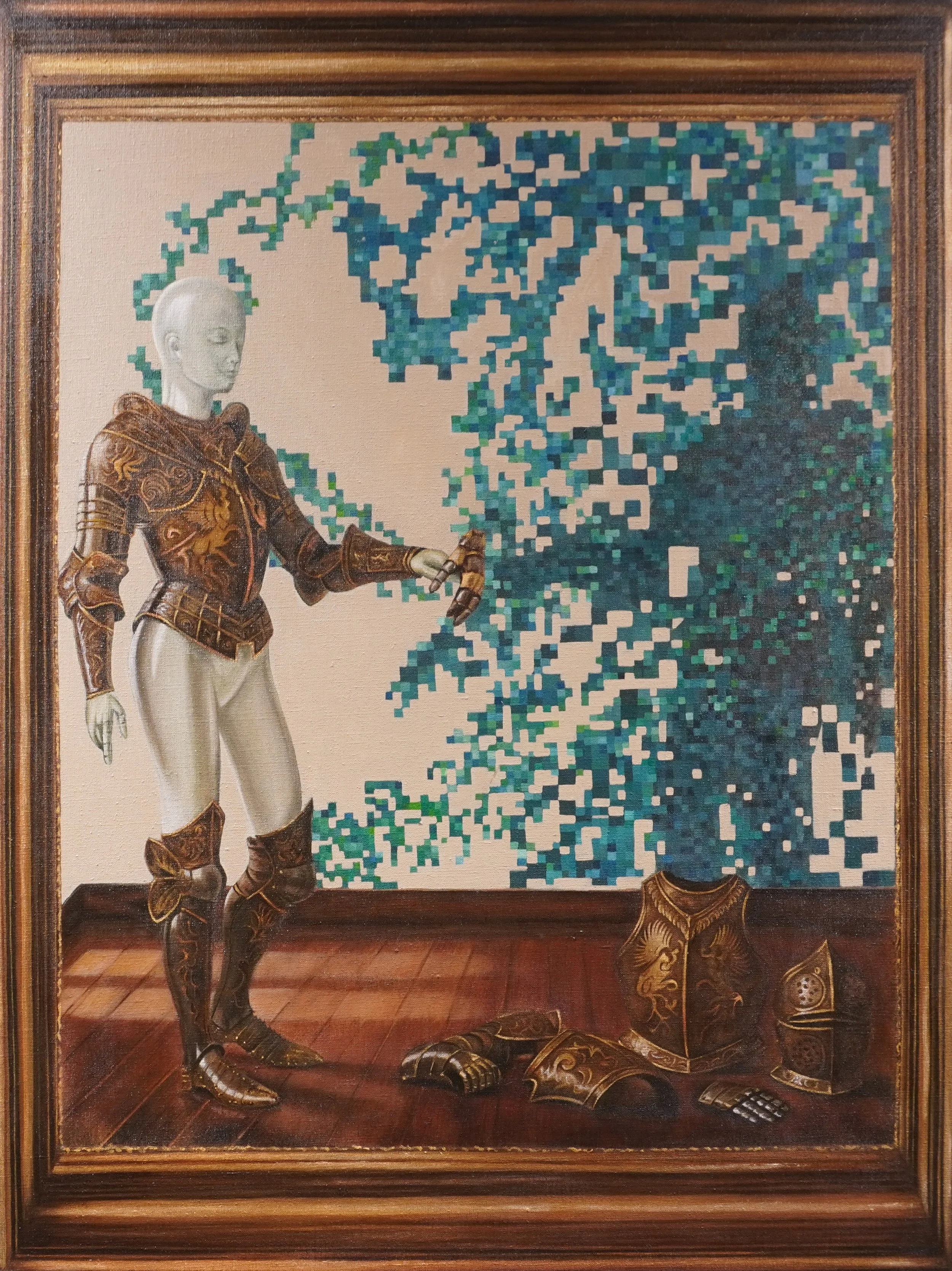
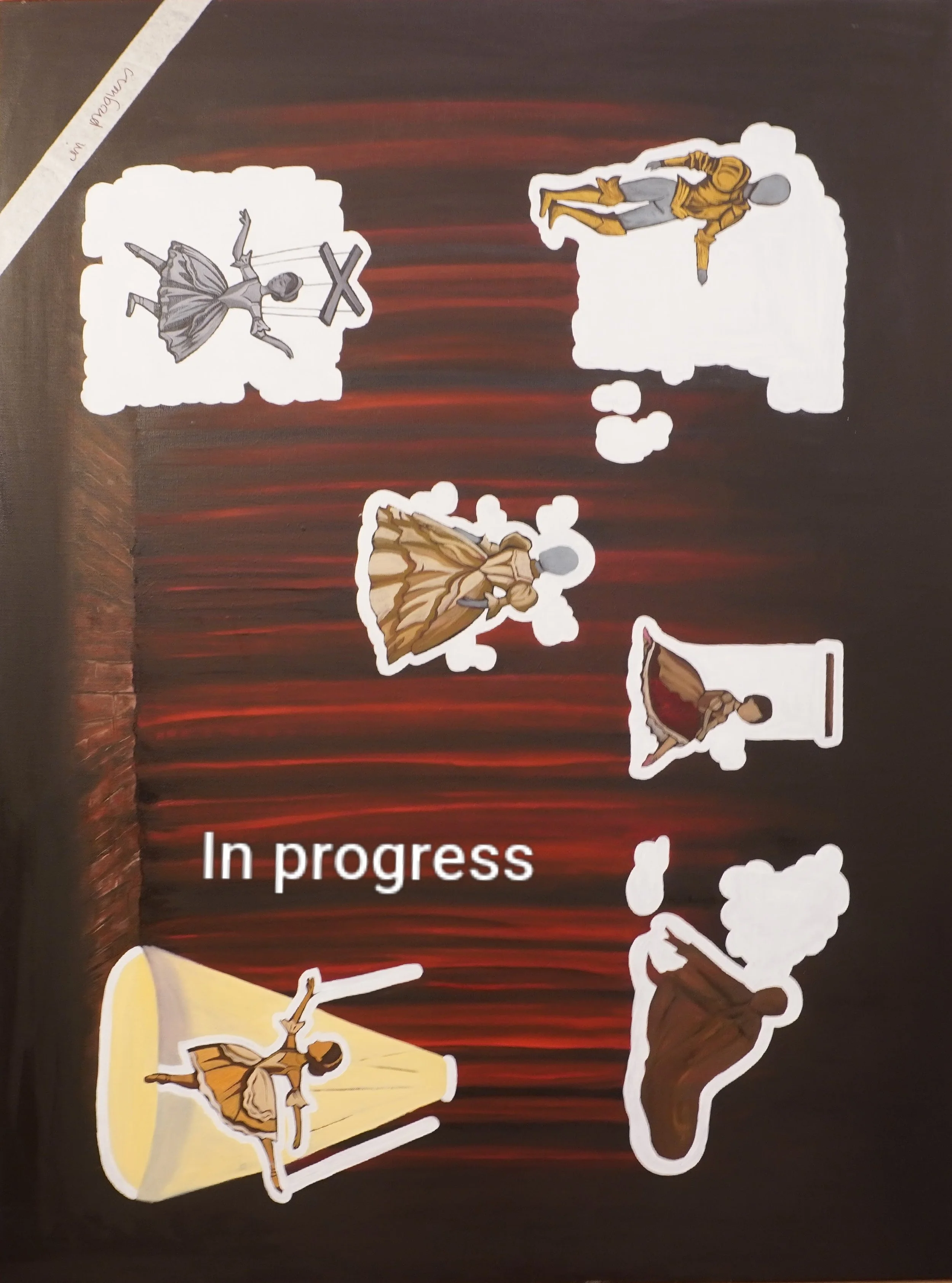
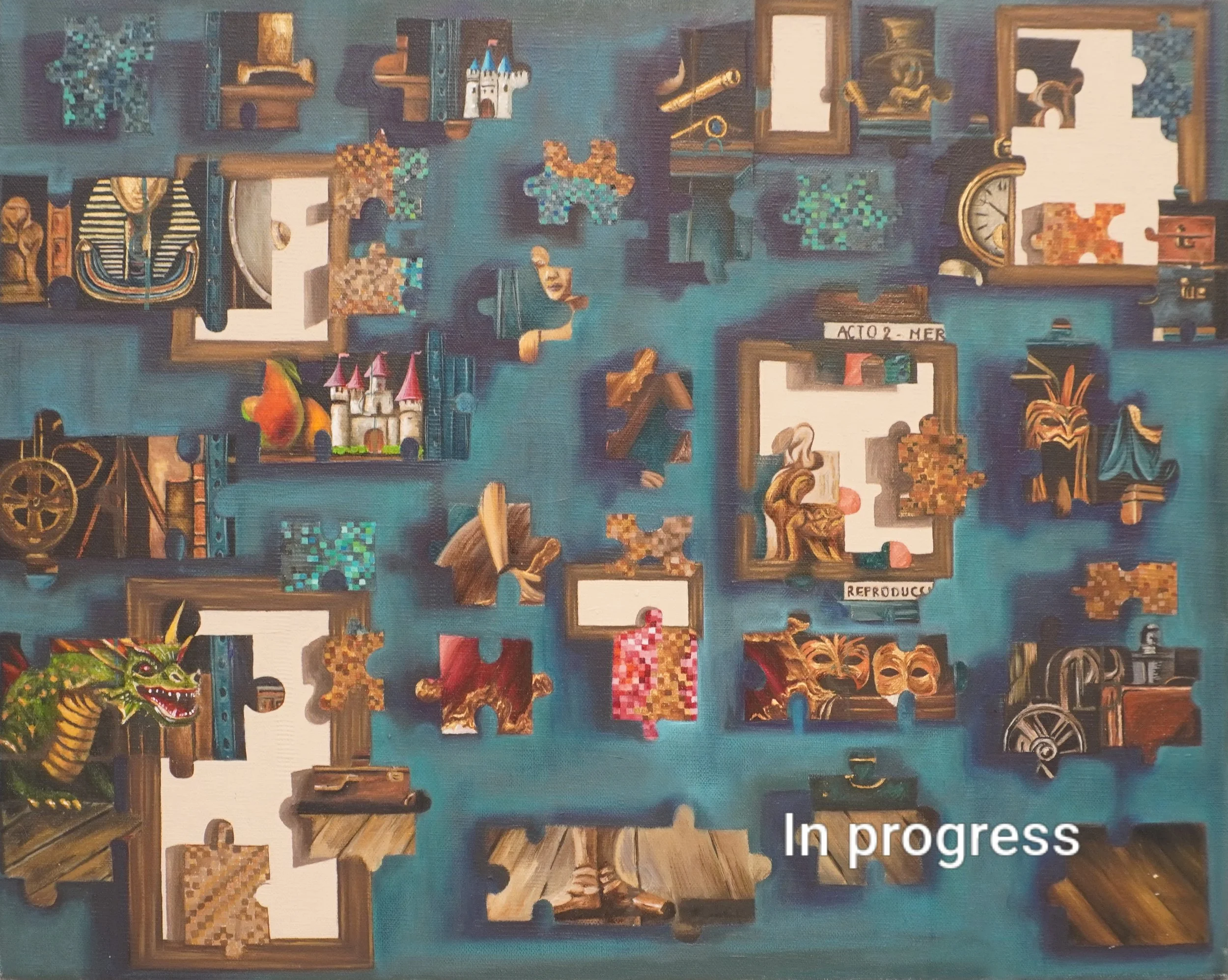
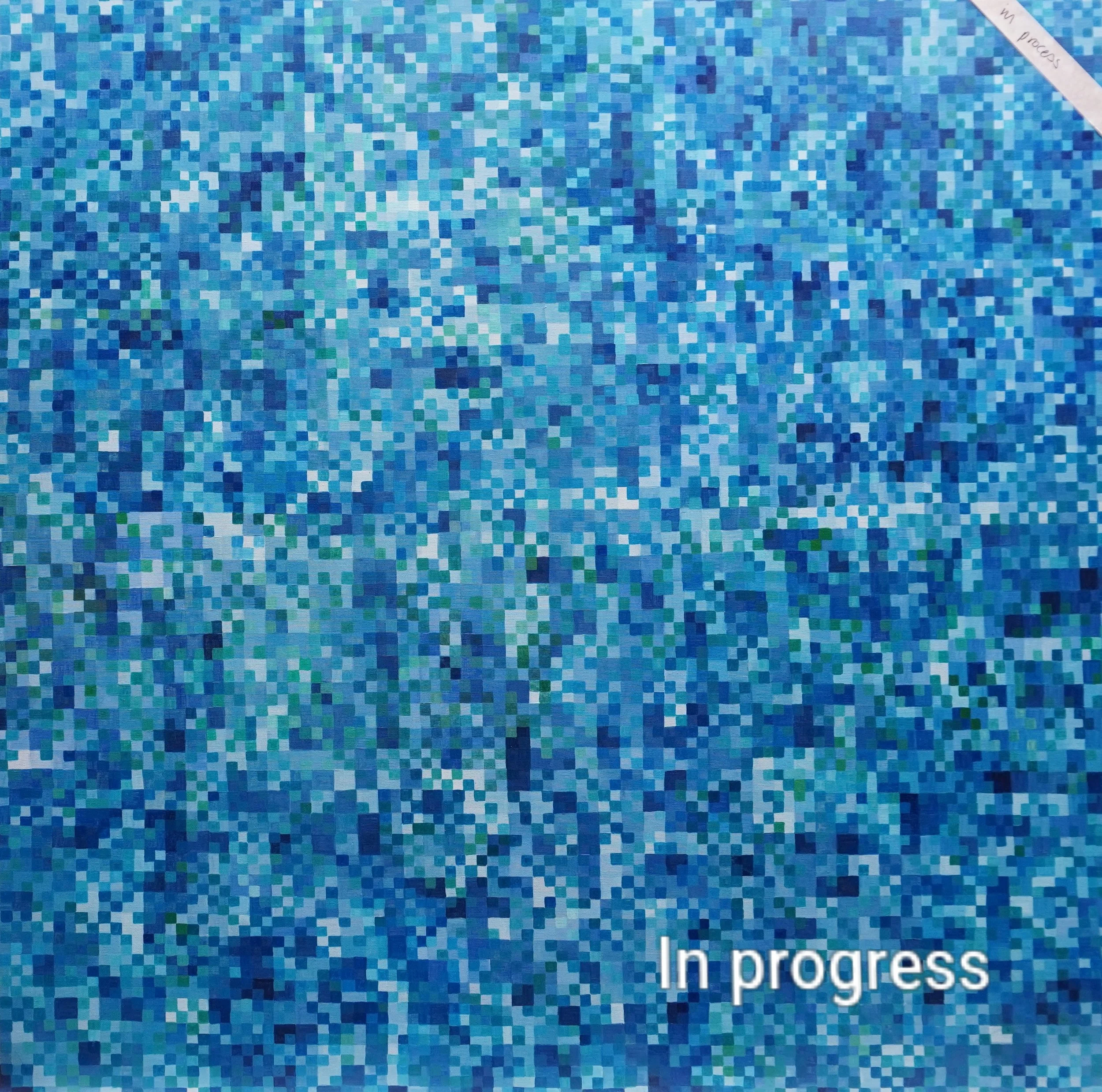
These nine paintings emerge from an exploration of this territory: the space between the known and the unknown, between form and its dissolution, between the ending and the beginning. In dialogue with the teachings of the Bardo Thödol, they invite contemplation of consciousness and the mystery of existence.
Perhaps the interstice is not a place we must reach, but an opening in our own perception. An opportunity to question what we take for granted, recognize impermanence and understand that transformation is not an exception within life, but one of its fundamental conditions.